Lawrenceville Families Struggle with Rising Housing Costs
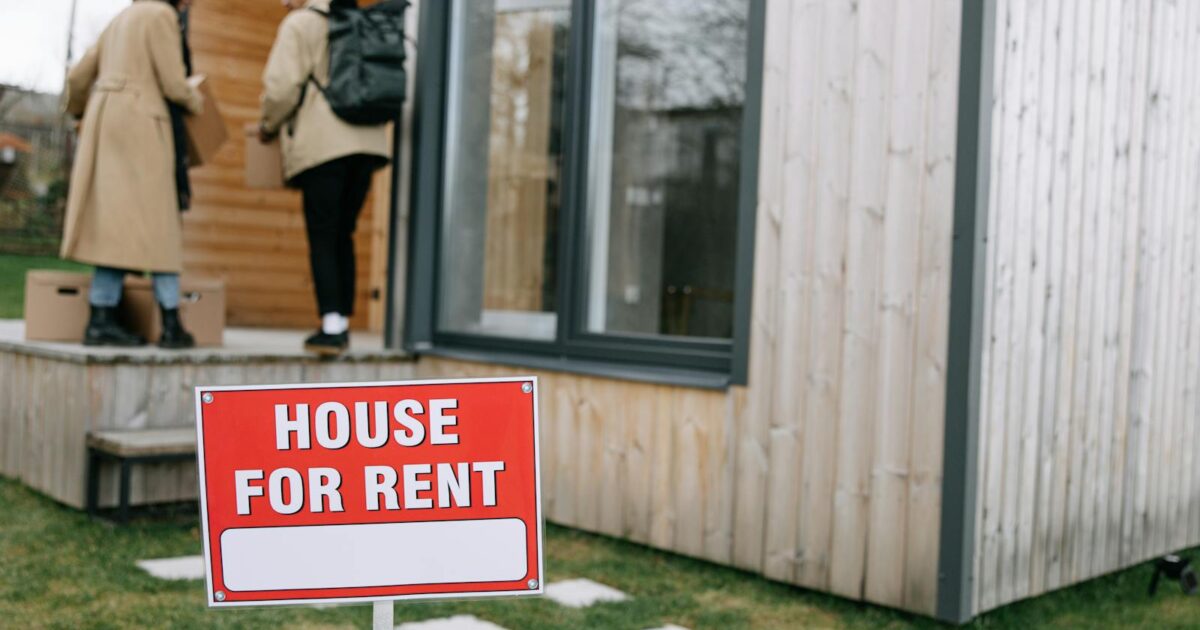
Many families in Lawrenceville are struggling to afford housing as rental prices soar, making it difficult for essential workers and low-income residents to find suitable homes. Jeannie Johnson, a single mother with two adult children living at home, works two full-time jobs but still finds it challenging to make ends meet.
Johnson, who rents a townhome in Lawrenceville, has seen her rent nearly double from $785 to $1,485 over the past few years. Her children contribute to the household expenses, but rising costs for necessities like utilities and groceries add to their financial strain. “It’s very expensive to live here,” Johnson said.
According to data from the 2024 American Communities Survey, 77% of Gwinnett County households earning less than $75,000 annually are considered cost-burdened, spending more than 30% of their income on housing. In contrast, only 15% of households earning above that threshold face similar challenges.
The Atlanta Regional Commission’s annual survey indicates that housing affordability is the top concern for residents in the area. Many essential workers, including teachers and police officers, cannot afford to live in the communities they serve.
Adrianne Todman, CEO of the National Rental Home Council, noted that housing affordability is influenced by various factors, including wages and restrictive zoning laws. “We simply need more housing,” Todman said in a statement to the Gwinnett Daily Post.
The median household income in Gwinnett stands at $92,510, which means an average household should ideally spend no more than $2,312 monthly on housing. However, current homeowners are spending approximately 40.8% of their income on housing, surpassing the recommended 30%.
Real estate agent Alan Daniel warned that potential homebuyers should be flexible with their expectations. “If you can compromise on what you want and where you want to be, it’s out there,” he said.
While rental prices have recently dropped, the average rent for a two-bedroom apartment in Gwinnett remains at $1,700 per month, making it difficult for many renters to find affordable options. Landlords like Rick Stolz, who manages 18 properties, have adjusted rental requirements but still face challenges finding qualified tenants due to income disparities.
Advocates for affordable housing argue that more options are needed for residents below median income levels. Taylor Shelton, a geography professor at Georgia State University, pointed out that Gwinnett has the highest concentration of corporate-owned single-family rental homes in metro Atlanta, further complicating the housing market.
As families like Johnson’s strive for financial stability, the dream of homeownership feels increasingly distant. “I’ve never owned a home before,” Johnson said, expressing her hopes for a more affordable future.
For further information, you can read the original article by Nate McCullough in the Gwinnett Daily Post